Next.js
29 Sept 2026
Why I Choose Next.js
Why I choose Next.js and what makes it a good fit for the full-stack projects.
1. React ecosystem
I chose Next.js primarily because it is built around React, which has one of the largest ecosystems in modern web development.
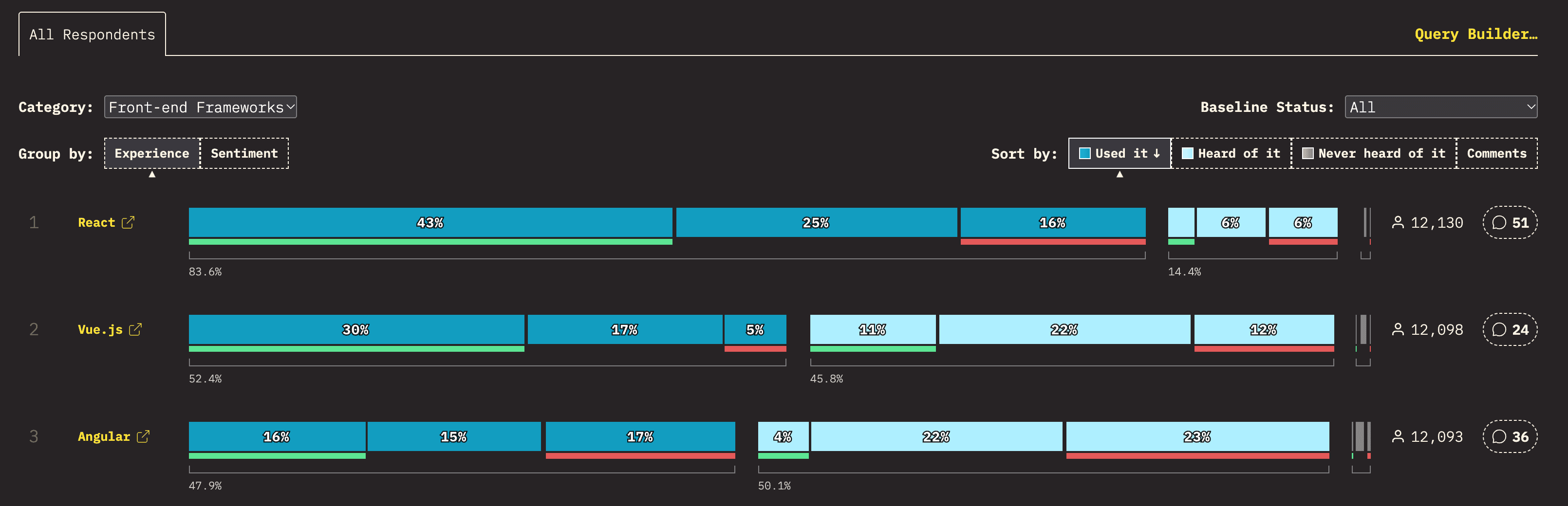
In the 2025 State of JavaScript survey, 83.6% of respondents reported using React. State of JavaScript: 2025 Survey
For me, choosing a framework built around such a widely adopted library means access to a large ecosystem, extensive documentation, and a huge amount of community knowledge.
2. One language across the stack
JavaScript is the primary programming language of the web, and TypeScript builds on top of it with static typing. This makes it possible to use the same language ecosystem across both frontend and backend development.
With Node.js on the backend, I can continue using JavaScript or TypeScript instead of switching to a completely different language.
That makes the combination of React, Next.js and Node.js a natural choice for building full-stack applications.
3. File-based routing
One of the things I like most about Next.js is its file-based routing.
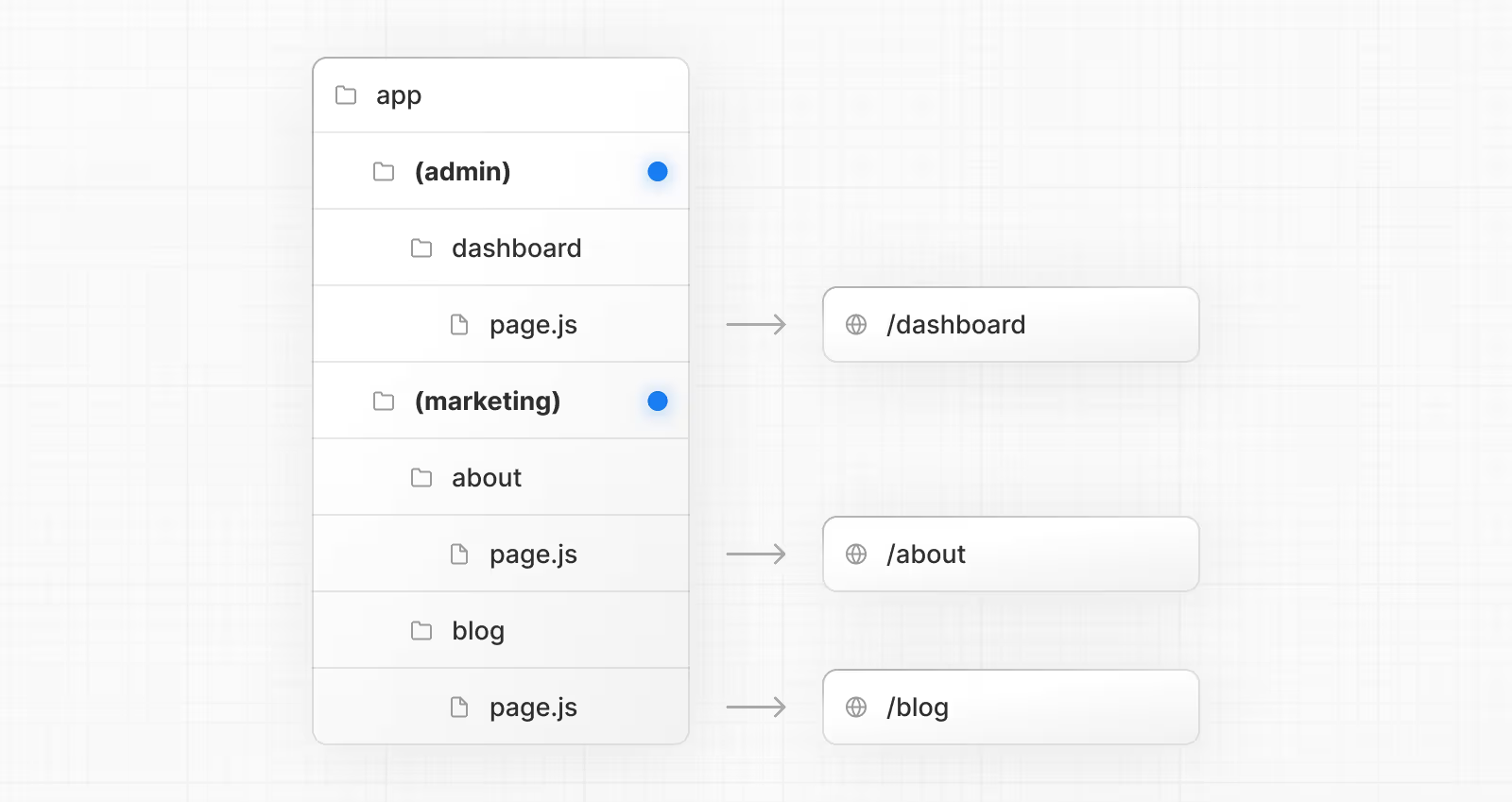
Instead of defining routes manually, the folder structure directly represents the URL structure.
4. Server-side rendering and static generation
Next.js supports server-side rendering and static generation, allowing pages to be rendered on the server or generated ahead of time instead of relying entirely on client-side rendering.
For example, my blog posts can be rendered with their Markdown content already present in the HTML instead of requiring the browser to fetch and render the article first.
5. Built-in features
Next.js also provides many features that would otherwise require additional libraries or configuration.
- Image Optimization
- Metadata
- Open Graph
- Dynamic Routes
- API Routes / Route Handlers
- Server Components
- Middleware
Having these features built into the framework reduces the amount of configuration and third-party tooling needed for a typical application.
6. Full-stack applications
Another reason I chose Next.js is that it allows me to keep frontend and backend functionality within the same application.
This was especially useful when building NAKAVU, where the frontend, API routes, authentication, database operations and Stripe integration could all live within one project.
Сonclusion
For me, Next.js provides a good balance between developer experience, flexibility, and the tools needed to build production-ready applications. It lets me use the technologies I already work with while providing conventions and features that make larger applications easier to structure.